· Ch. Umar · Education · 3 min read
What is Dry Ice? Properties, Production, and Uses in Pakistan
Dry ice is solid carbon dioxide at -78.5°C that sublimates directly to gas. Learn its properties, how it is made, and where to buy dry ice in Pakistan.
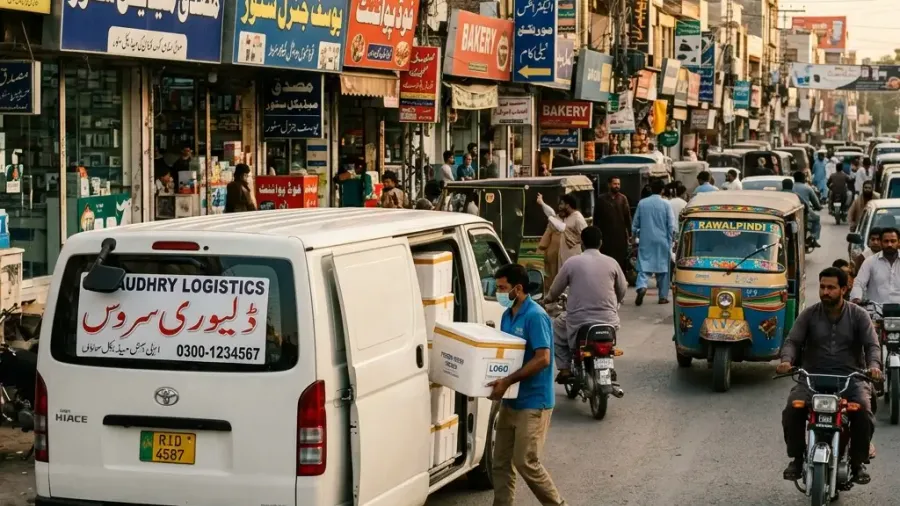
Dry ice is the solid form of carbon dioxide (CO2) at a temperature of -78.5°C (-109.3°F). Unlike water ice, it does not melt into a liquid - it sublimates, transitioning directly from solid to gas. This leaves zero liquid residue, making it the preferred cooling agent for medical transport, food logistics, and industrial applications across Pakistan.
Physical Properties of Solid Carbon Dioxide
Solid CO2 has four distinct physical characteristics that determine its commercial value:
Temperature
Dry ice maintains a surface temperature of -78.5°C at atmospheric pressure. This is more than twice as cold as water ice (0°C), making it capable of maintaining pharmaceutical-grade deep-freeze conditions.
Sublimation - No Liquid Phase
Dry ice transitions directly from solid to CO2 gas. It never passes through a liquid stage. This property eliminates packaging damage, bacterial growth from moisture, and residue cleanup - critical advantages for Pakistan’s food and pharmaceutical sectors.
Physical Appearance
Dry ice is an opaque white solid, commercially available as blocks (10–12 kg slabs) or pellets (3mm and 16mm cylinders). High-density blocks have a hard, glass-like surface. Pellets flow freely and fill container gaps efficiently.
Density and Weight
High-density dry ice pellets are significantly heavier than water ice of equivalent volume. This density directly correlates with sublimation rate - denser blocks last longer under identical storage conditions.
How Dry Ice is Manufactured
The production of solid CO2 follows a three-stage industrial process:
Stage 1: CO2 Capture and Liquefaction
Carbon dioxide gas is captured from industrial processes - fertiliser production, petroleum refining, or fermentation operations. The gas is compressed and cooled under high pressure until it liquefies.
Stage 2: Pressure Release and CO2 Snow Formation
Liquid CO2 is released through an expansion valve into a chamber at atmospheric pressure. The sudden pressure drop causes rapid flash-freezing, producing a fine, white CO2 snow material.
Stage 3: Block Compression or Pellet Extrusion
The CO2 snow is either hydraulically pressed into solid slabs (dry ice pellets) or forced through die plates to form cylindrical pellets of 3mm or 16mm diameter.
Commercial Dry Ice Applications in Pakistan
Pakistan’s dry ice market is driven by four primary sectors:
Pharmaceutical Cold Chain
Hospitals and pharmaceutical distributors across Rawalpindi, Islamabad, Karachi, and Lahore use dry ice pellets to transport vaccines, biological specimens, and temperature-sensitive drugs. mRNA vaccines require consistent temperatures below -70°C - achievable only with solid CO2.
Food Logistics and Export
Seafood exporters at Karachi Port, meat processors in Lahore’s Sundar Industrial Estate, and airline caterers across Pakistan use food-grade dry ice to keep perishables frozen without water residue.
Weddings and Events
dry ice pellets submerged in hot water produce the dense, low-lying fog popular at Pakistani wedding ceremonies for bridal entries and stage productions. The fog is odourless, non-toxic, and residue-free.
Industrial Cleaning
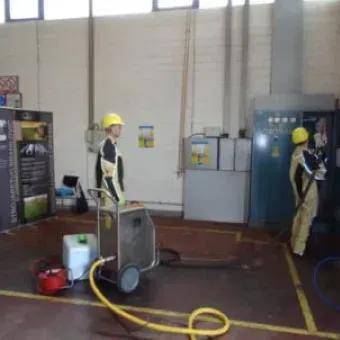
3mm dry ice pellets are used in CO2 blasting machines to clean textile machinery in Faisalabad and automotive equipment in Karachi’s SITE Industrial Area without water, abrasives, or chemical solvents.
Where to Order Dry Ice in Pakistan
DRY ICE PAKISTAN, based in Rawalpindi, supplies certified food-grade dry ice pellets nationwide at PKR 600/kg. Same-day delivery operates in Rawalpindi and Islamabad. Overnight delivery is available to Lahore, Karachi, Faisalabad, and Peshawar.
Contact us on WhatsApp at +92 334 0033328 to place an order or request a bulk quote.
Need Dry Ice in Pakistan?
DRY ICE PAKISTAN supplies premium food-grade pellets and blocks for all industrial, medical, and event applications. We offer nationwide delivery with same-day dispatch in Rawalpindi, Islamabad, and Lahore.
Contact Us Today or message us on WhatsApp at +92 334 0033328.